Industry insights, market outlook reports and commercial real estate
news, and trends from the Coldwell
Banker Commercial brand.

Q2 bank earnings signal cautious optimism for commercial real estate, with stabilized credit conditions and disciplined lending practices reviving deal flow. As traditional banks tighten terms, private credit steps in—demanding transparency, resilience, and bulletproof underwriting from today’s sponsors.
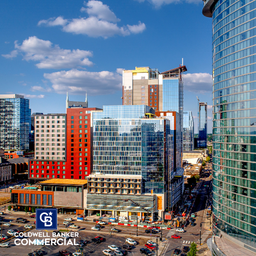
In 2025, the U.S. commercial real estate market shows cautious optimism with rising transaction volumes and stabilized interest rates, but faces a looming $957 billion refinancing wall and growing distress. From Nashville’s office market struggles to strategic investor implications, this midyear outlook highlights key risks and opportunities shaping CRE’s path forward.
As of mid-2025, commercial real estate is outperforming residential housing in total returns, driven by resilient income and evolving asset strategies. Principal Asset Management’s latest report highlights CRE’s rare divergence from housing trends and forecasts a strong decade ahead for investors.

Data centers are crucial in our hyper-connected world, driving demand for specialized real estate due to cloud adoption, edge computing, and 5G rollout. Despite challenges like energy consumption and cooling requirements, data center investments offer stable income and resilience, making them a lucrative asset class in commercial real estate.

The commercial real estate landscape is evolving with the rapid growth of the life sciences sector, driven by biotech breakthroughs, rising healthcare needs, and significant funding. This sector offers prime investment opportunities with specialized facilities like labs and biomanufacturing plants, despite challenges such as high build-out costs and regulatory hurdles.

The landscape of private wealth is shifting, with 44% of global family offices planning to expand their exposure to commercial real estate (CRE) over the next 18 months, according to The Wealth Report 2025 by Knight Frank. This renewed interest highlights CRE's role as a hedge against inflation and economic uncertainty, making it a prime target for family office capital.
The commercial real estate market is entering a new phase, with many investors anticipating stronger deal flow in 2025. Despite initial expectations of continued price declines, recent data suggests that pricing may be stabilizing, raising critical questions for investors about the timing and nature of opportunities in the market.
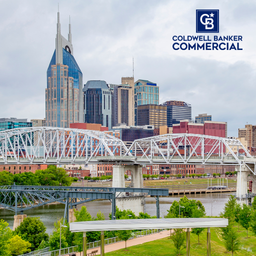
The rising costs in primary markets like New York and Los Angeles are driving investors to explore secondary and tertiary markets such as Nashville, Raleigh-Durham, and Boise. These markets offer affordability, economic incentives, and improved infrastructure, making them attractive for commercial real estate investments and supporting long-term growth.

With the surge in digital services, data centers have become essential infrastructure, offering robust growth and stable returns for commercial real estate investors. As the backbone of the digital economy, these assets present a compelling opportunity amid rising demand for cloud computing and AI.

Entering Q4 2024, the CMBS market faces volatility and opportunities, influenced by the Federal Reserve’s first interest rate cut in four years. This shift is expected to ease refinancing challenges and improve cash flows, particularly benefiting the office sector amid high delinquency rates